
North Miami Previous Resident Sources
No single roll lists every person tied to a North Miami address. The current parcel gives the owner, folio, municipality, legal description, and last sale. Recorded deeds then trace title. Directories and census schedules add household evidence, while permits date work and may explain a change in the structure. The best starting source depends on the era and whether the question concerns an owner or an occupant.
| Source | Years It Covers | Where Held | What It Shows |
|---|---|---|---|
| Online Official Records | Most records from 1974 onward | Miami-Dade Clerk web search | Grantors, grantees, dates, instruments |
| Earlier deed indexes and books | Before 1974 and all recorded history | Records Library | Title chain before the web cutoff |
| Miami directories | Verified 1896 anchor; later runs depend on catalog | MDPLS, HistoryMiami, State Library | Occupant, spouse, work, address |
| Florida census | 1935 and 1945 | Library genealogy databases | Households between federal censuses |
| Federal census | Public through 1950 | NARA and library databases | Household, relationship, occupation |
| Obituary index | 1896 to 2008 | Miami-Dade Public Library | Citation and survivor trail |
| North Miami permits | Online range not officially stated | City portal or records request | Construction and change dates |
Start modern work with the parcel and recorder. For a past resident who may not have owned the site, move quickly to address-sorted directories and census schedules. If the structure changed, permits, historic aerials, plats, and maps can show why a familiar address no longer matches the building on the ground.
North Miami Address Identity Keys
A sound house history preserves five identifiers: the era-specific place name, street address as printed, subdivision and lot or block, folio or older parcel reference, and each named person’s role. This prevents the main local error, joining a postal North Miami address to a historic Town of Miami Shores entry and a parcel now assigned to another municipality.
Do not treat the roles as interchangeable. A deed names title parties. A tax card names an assessed owner. A directory may list an occupant. A voter record is a dated registration snapshot. A probate file may name an interested person. Labeling the source and role beside each name makes the previous residents trail auditable.
A useful worksheet also records the instrument type, execution date, record date, preparer, return-to address, stated consideration, documentary stamps, co-owner, and any prior-instrument reference. Execution and recording can occur on different dates. The return-to address belongs to the filing event and is not proof of a current home. Preserve a confidence note for each link, especially when a common surname, a quitclaim deed, or a changed municipality introduces doubt.
Keep the legal key. Folio and subdivision, lot, and block details survive changes that can break a street-address search.
Trace Miami-Dade Past Owners
Use Miami-Dade Property Search to get the current owner, last sale, folio, and exact legal description. Find that transfer in Official Records by CFN or book and page when available. Read the instrument itself. A warranty deed often shows a clear transfer, but quitclaim deeds, personal-representative deeds, tax deeds, certificates of title, and corrective deeds can also change or clarify ownership.
- Copy the parcel’s current legal description, owner, sale date, folio, and site address.
- Open the current acquisition deed and confirm the same legal description.
- Take the seller, or grantor, and search for the earlier deed where that person acquired the same parcel as grantee.
- Repeat, noting instrument type, execution date, record date, spouse or co-owner, CFN, and book and page.
- At the 1974 web boundary, continue through the Records Library’s party indexes and deed books.
- Grantor and grantee
- The grantor gives or transfers an interest. The grantee receives it.
- Chain of title
- The linked sequence of instruments that moves ownership backward or forward through time.
- Legal description
- The subdivision, lot, block, plat, or other land description that identifies the parcel more reliably than an old street number.
Mortgages and satisfactions supply useful identity and finance context, but they are not transfers. A lis pendens signals pending litigation. A declaration of domicile supports residence only at the date it was signed. Read the party role and document text before adding anyone to the North Miami previous residents record.
North Miami Records Before 1974
Most recorded documents from 1974 forward are searchable online. Earlier title work continues at the Miami-Dade Records Library, which holds recorded copies and indexes. Bring the last verified post-1974 grantee, a narrow acquisition range, subdivision and lot or block, and any book or page reference. Search the grantee index for that owner’s purchase, then carry the earlier seller backward.
Public computers are available with staff help. A staff search costs $2 per name per year, so a common surname should be confined to a short span. Copies are $1 per page and certification is $2. Mail requests should give the full name and document type; deed requests should also include the legal description or property address. The Recorder’s address is 20 NW 1st Avenue, Suite 5.246, Miami, Florida 33128, and its phone is 305-275-1155.
The current Clerk services page shows the active route into county records.
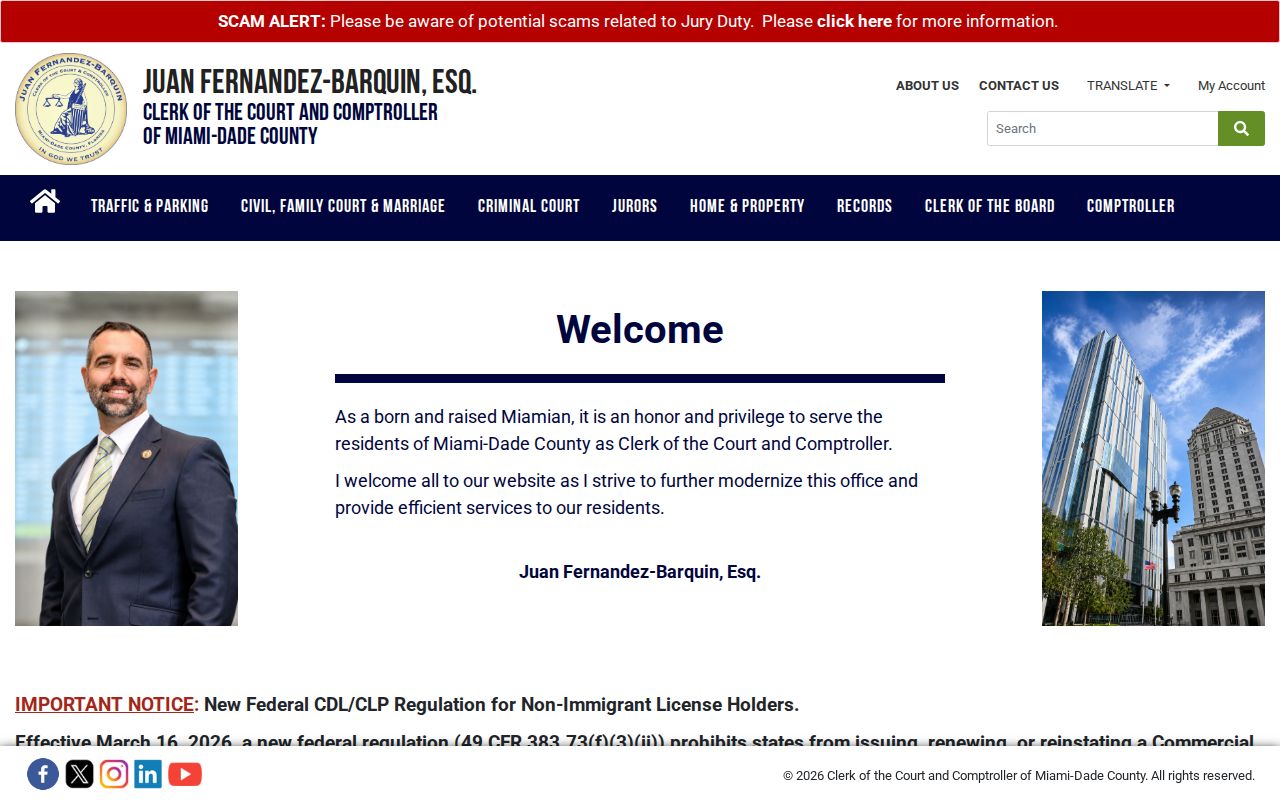
Use the web entry for recent indexes, then switch to the library rather than ending a valid deed chain at the online cutoff.
North Miami Previous Place Names
North Miami records may be cataloged under Arch Creek, Town of Miami Shores, Town of North Miami, or City of North Miami. The municipality incorporated as Town of Miami Shores in 1926, changed to Town of North Miami after a 1931 boundary episode, and became the present City in 1953. That sequence is a practical alias list for deeds, maps, directories, and voter registers.
The 1931 decision also removed oceanfront land. A historic address once linked to the town may now fall under another municipality. Search the period name and the current name, then prove continuity through the legal lot and block. No official street-by-street renumbering table was found, so do not invent a conversion.
North Miami House Dating Records
Permits should be read as a chronology of work, not ownership. Keep application, issue, inspection, final, and certificate dates separate. A reroof or addition does not show a sale. Demolition followed by new construction may explain why a directory occupant changes or why a parcel year-built conflicts with an older printed address.
Where no single house-history guide exists, combine HistoryMiami architectural holdings, Miami-Dade Public Library maps and aerials, plats, parcel year-built data, and the Library of Congress Sanborn catalog. Exact Sanborn sheet years for present North Miami were not confirmed, so search by historic place name and verify the sheet before relying on it.
Postwar construction deserves special attention. North Miami grew quickly after World War II as veterans and families arrived, and the city was described by 1951 as one of the nation’s fastest-growing towns. A 1945 census household, a later directory entry, the subdivision plat, permit chronology, deed, and early aerial can therefore explain the first occupied years of many blocks. Structural evidence dates a building or alteration, while a directory or census names the household. Keep those conclusions separate.
North Miami Previous Residents in Probate
A personal-representative deed or certificate can signal that an estate moved the property. Search the Miami-Dade Civil, Family and Probate index by the decedent’s name and any case number printed in the instrument. Public docket entries can identify administration dates and document titles, while image access depends on the court access matrix. Obtain a permitted image or certified copy from the Clerk when the distinction matters.
Next, search the Miami-Dade Obituary Index for a citation. Retrieve the named newspaper and date, then compare survivor names with the probate file. An obituary can describe family ties, but it does not decide title. Likewise, a listed survivor did not necessarily inherit the home. Together, deed, probate, and obituary evidence can explain why previous residents left the record and how a later owner entered it.
If an estate search produces several people with the same name, compare the death date, middle name, address, case filing date, and property description before linking the file. A personal-representative deed may cite the probate case or authority for the transfer. Use that reference as the bridge. The Clerk can provide permitted copies, while library staff can help retrieve the newspaper named in an obituary citation. Neither office investigates identity for the researcher.
North Miami Past Household Trail
Owners are only one layer. Address-sorted or criss-cross directories can name occupants, including people who do not appear as owners. The 1935 and 1945 Florida census schedules bridge federal census years, and the federal census is public through 1950. Exact local directory runs depend on the holding catalog, so confirm the year before treating an absence as proof that someone left.
- Choose a directory edition closest to a known deed, permit, or census date and search its reverse street section when available.
- Record the name exactly, including spouse, work, phone, vacancy marks, unit form, and cross streets.
- Compare the entry with the 1935 or 1945 Florida census, or an available federal census, and note every household relationship.
- Repeat in the next directory year. The North Miami city directory collections provide the full shelf and reading method.
For a deceased past resident, the Miami-Dade Obituary Index supplies a newspaper citation rather than the article. Retrieve the named paper and date, note survivor names, then search probate by the decedent and any case number referenced in a personal-representative deed. Probate and obituary evidence can explain a title transfer after death without assuming every survivor inherited.
Miami-Dade Public Library expanded its digitized surname files in October 2024.
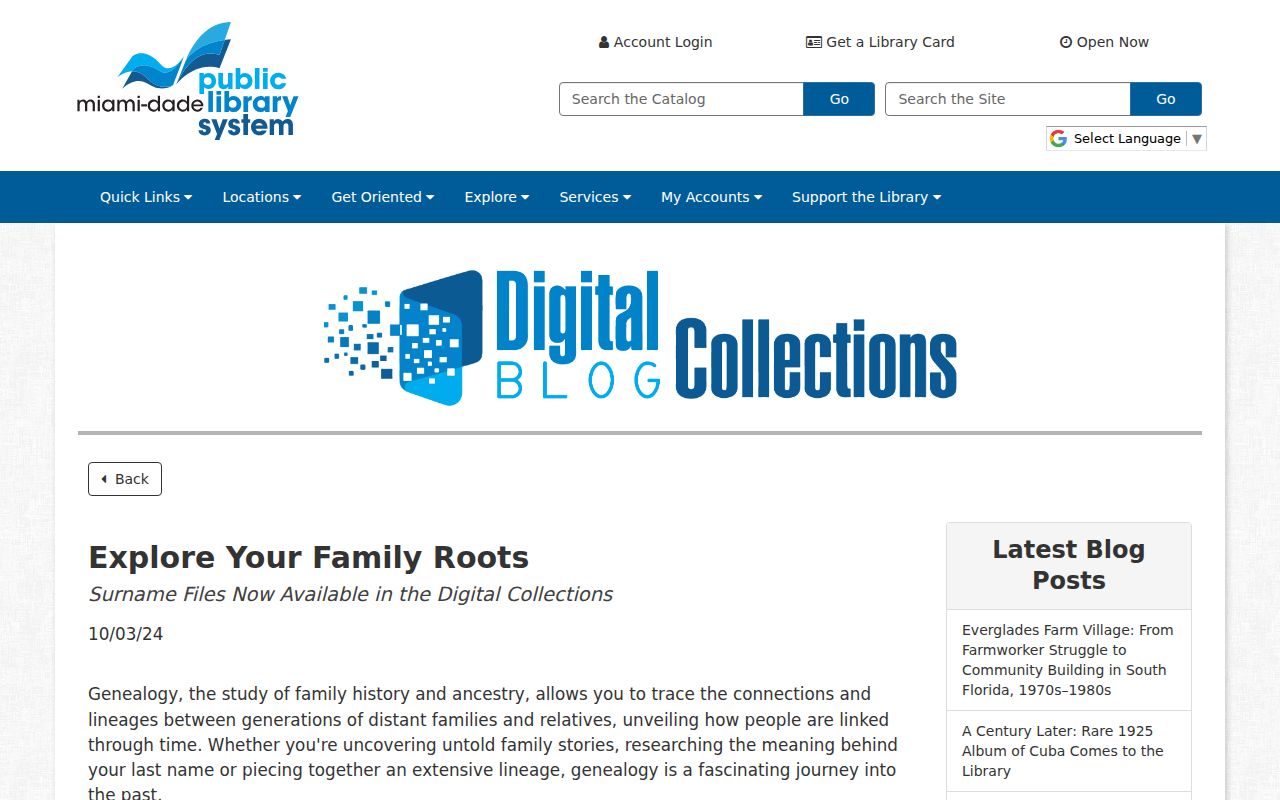
Those donated clippings and family files can add context after deeds, directories, census records, and probate establish the core trail.
Lawful use. Research North Miami previous residents for house history, family history, and personal curiosity. Never use a record to harass or track a living person.
Florida exemptions also shape what can be seen in a historic trail.
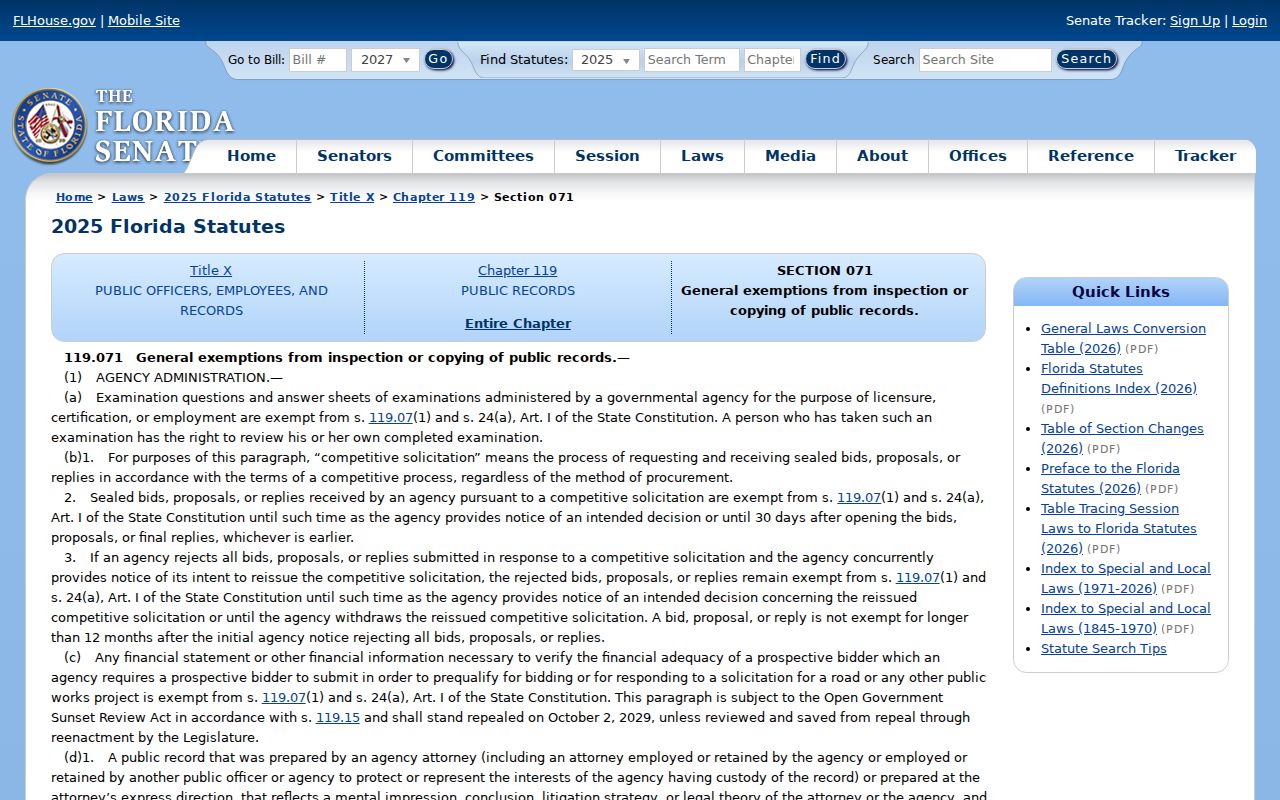
Protected addresses and identifiers stay withheld even when other parts of an index or instrument remain public.